

Two years ago, the story was completely different.
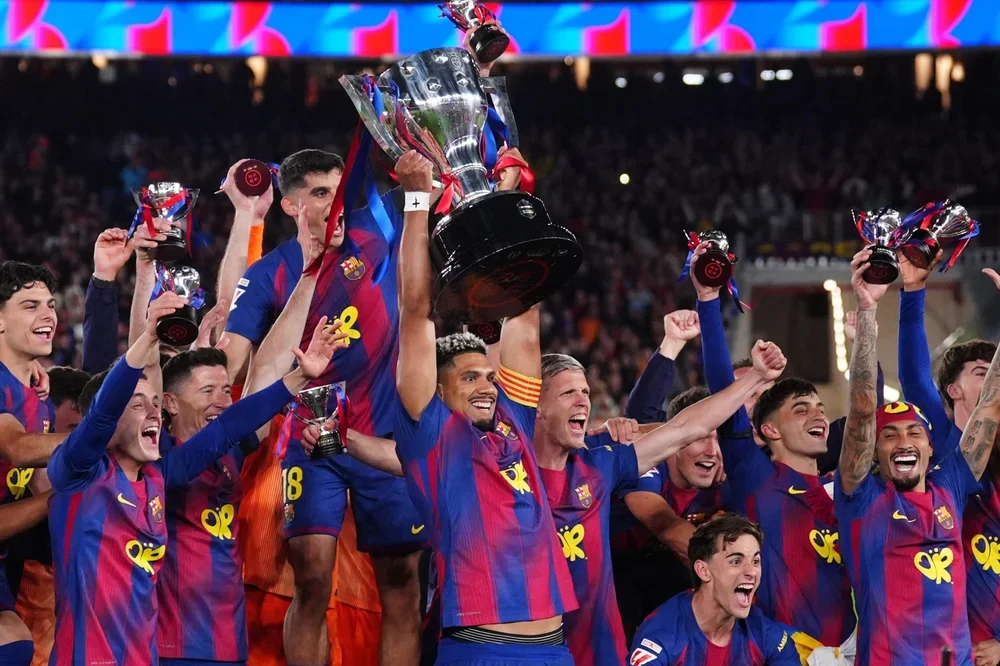
Barcelona players celebrate their title.
LAPRESSE
Barcelona secured the league title in record time, celebrating in style. At the end of May, the Santiago Bernabéu was a permanent party. Real Madrid had just won LaLiga and the Champions League, and Madridistas felt a new era of undeniable dominance was beginning. What’s more, the announcement of Kylian Mbappé’s arrival for the following season reinforced the idea of a nearly invincible team poised to mark an era in Europe.
Meanwhile, Barcelona faced a radically different reality. The Blaugrana ended the season without any trophies, and the dismissal of Xavi Hernández was still recent. The economic outlook offered little hope: the club remained trapped by financial problems, outside the 1:1 rule, and with no room for major signings. Everything indicated that the Catalan project would need time and patience to return to competing at the highest level.
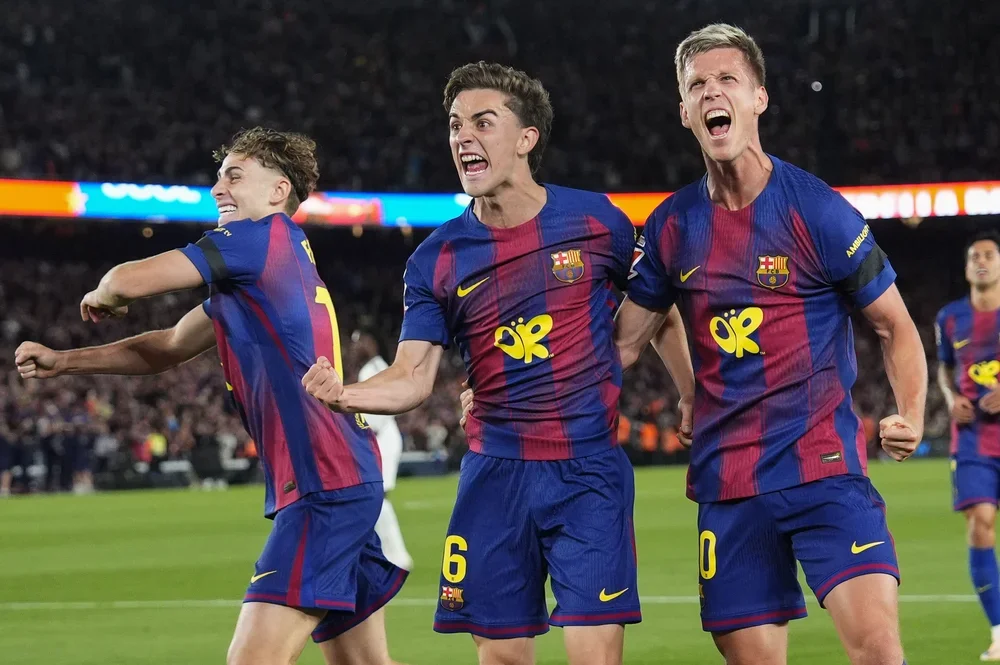
Fermín, Gavi, and Dani Olmo.
EFE
Two years later, the scenario has taken a turn that would have been hard to imagine back then. Barcelona has won five titles, including two LaLiga titles, while Real Madrid has only managed to celebrate a European Super Cup. This role reversal speaks volumes about planning, stability, and decision-making.
The talent of La Masía
At Camp Nou, or rather, in the offices and at La Masía, the club chose to build without fanfare. Aware of its financial limitations, Barça decided to look inward. To a generation that already included names like Balde, Gavi, and Fermín, they added Lamine Yamal, Cubarsí, Bernal, and Casadó. These are homegrown players with virtually no cost and a market value that would be unaffordable for any strained economy.
Few signings
Success also came in the front office. Deco was precise in his signings. First, he brought in Dani Olmo, a player with Barcelona DNA who immediately fit the team’s idea. Later came Joan García, a decisive goalkeeper whose interventions have sustained Barça in many matches and a strong candidate for the Zamora Trophy. Together, the investment did not reach 75 million euros.
The work of Flick
Another decisive move was the bet on Hansi Flick. The German coach quickly understood the locker room ecosystem and managed to build a competitive group through emotional and football management. He gave confidence to the young players, strengthened the collective identity, and turned the dressing room into a true unit. The result is a recognizable, solid team with enormous potential.
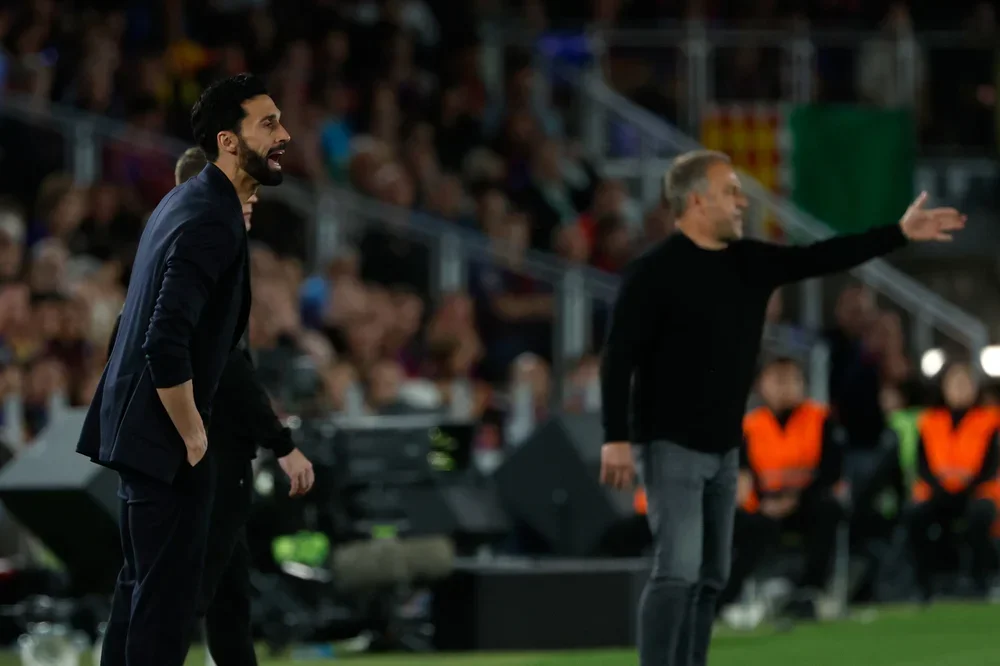
Álvaro Arbeloa and Hansi Flick.
LAPRESSE
Notable departures
At Real Madrid, the opposite happened. The white project lost essential pieces without finding suitable replacements. The departures of Toni Kroos and Luka Modric left a football and hierarchical void that no one managed to fill. The club invested more than 200 million euros in players like Endrick, Huijsen, Mastantuono, and Carreras, but none managed to deliver the immediate performance required by a team accustomed to competing for everything.
Three coaches
Instability also reached the bench. While Barcelona found continuity with Flick, Madrid went through three coaches in just two seasons. Carlo Ancelotti’s last season showed clear signs of wear and loss of control over the dressing room.
